
What If Bigger Isn’t Better?
PAST PODS

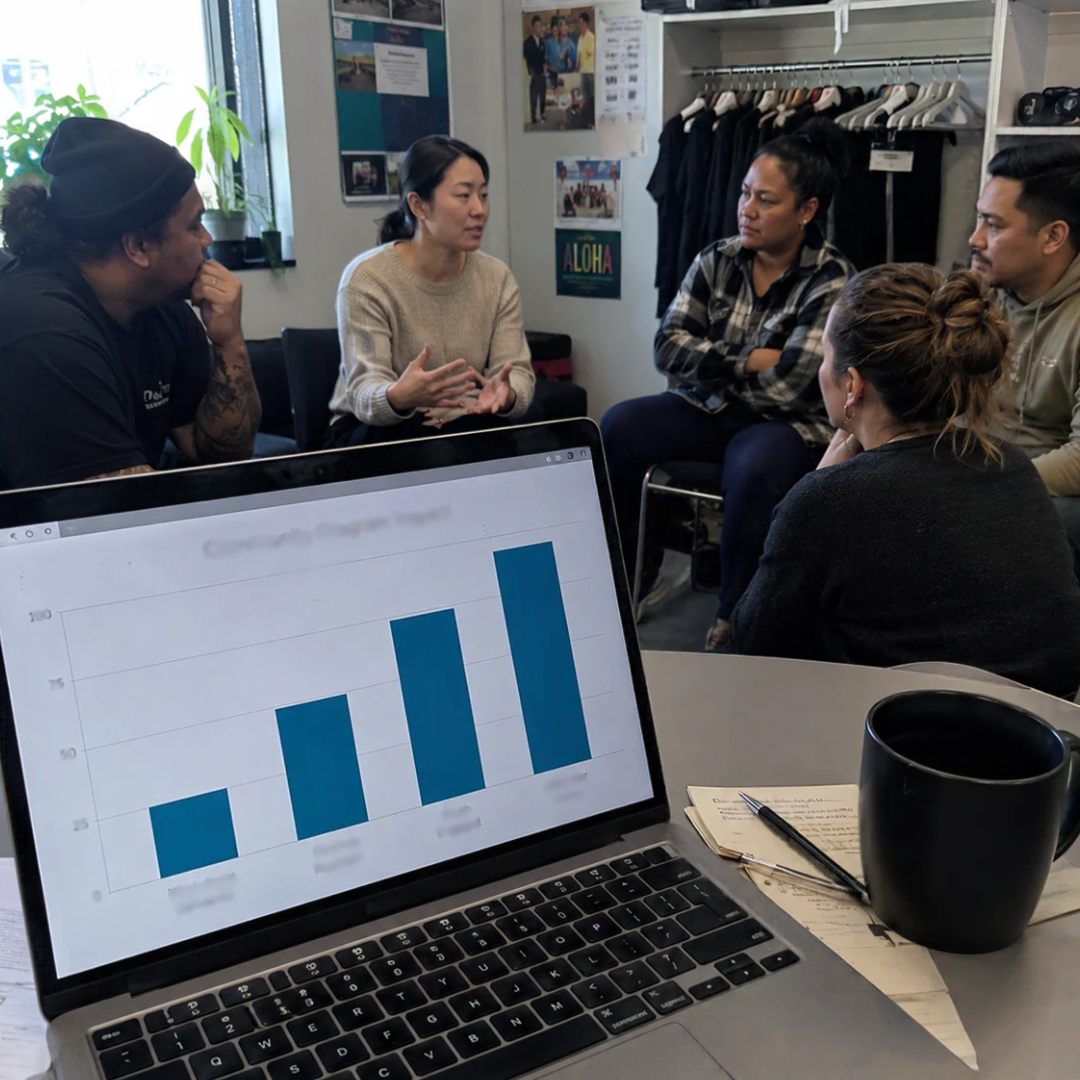
Business culture loves growth.
More customers.
More locations.
More employees.
More revenue.
More markets.
More followers.
More everything.
Growth can be exciting—and for many businesses, growth is necessary.
But what if getting bigger isn't the only definition of success?
For a small business in Hawaiʻi, success might look very different.
A Successful Business Can Be Intentionally Small
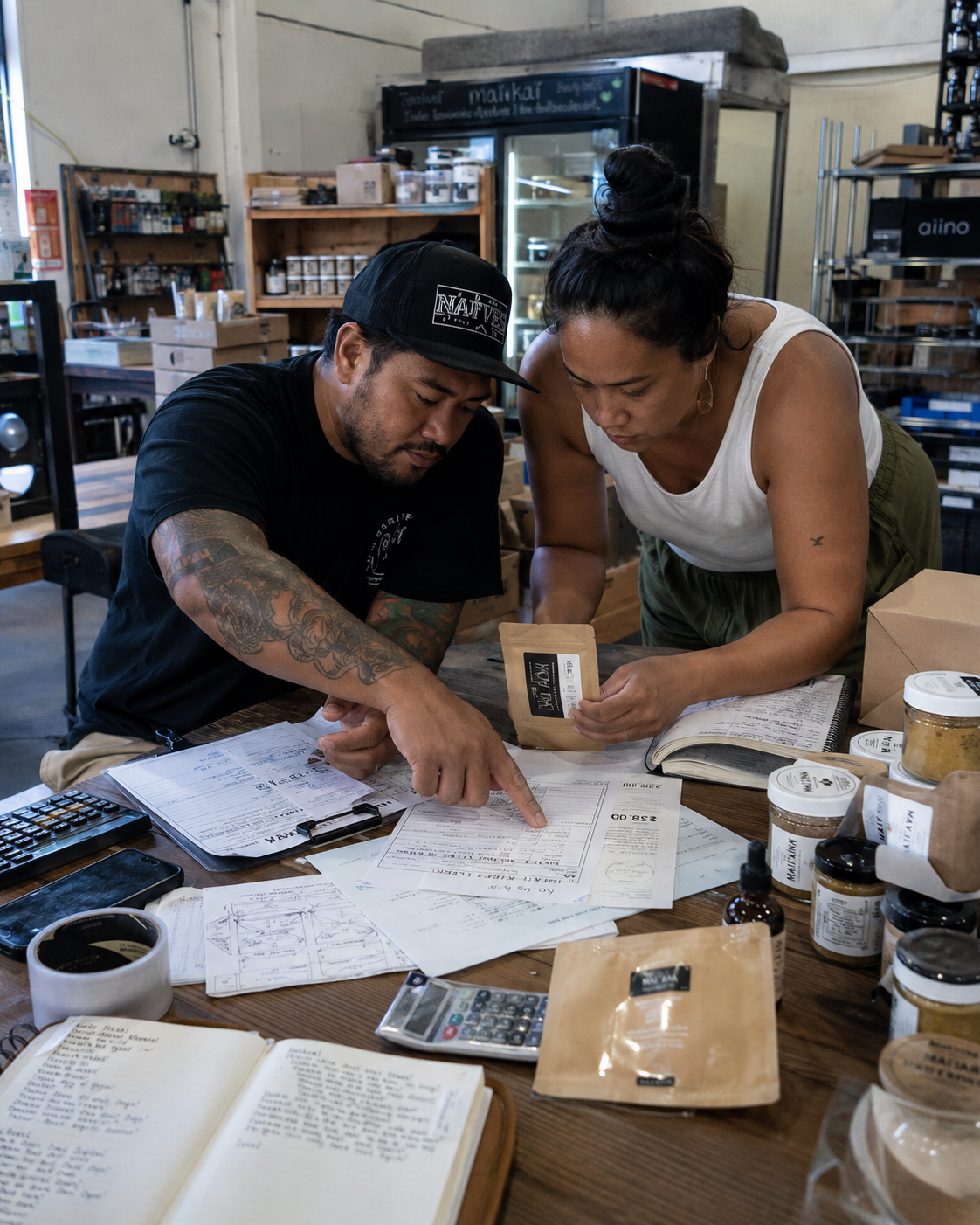
Maybe success is a business that consistently pays its bills.
Provides a good living for the owner.
Employs three people well.
Allows someone to stay in their hometown.
Creates flexibility to care for children or kūpuna.
Uses local ingredients.
Serves a community need.
Protects a craft or skill.
Supports other local businesses.
And continues doing all of that year after year.
Is that business unsuccessful because it never becomes a national brand?
Of course not.
Yet much of our language around entrepreneurship suggests businesses should always be moving toward something larger.
We should make room for another possibility:
A business can be successful because it is sustainable.
Growth Has a Cost
Expansion can create opportunity.
It can also create pressure.
More sales may require more employees.
More employees require management.
More production may require larger facilities.
Larger facilities mean higher overhead.
New markets may require shipping, distribution, financing, technology, and systems that completely change how the owner spends their day.
Growth is not automatically bad.
But it should be intentional.
Business owners deserve the opportunity to ask:
Do I actually want this?
What would growth require?
What might I gain?
What might I lose?
Entrepreneurship is Personal
For some entrepreneurs, building the next major company is exactly the dream.
We should celebrate that ambition.
For someone else, entrepreneurship may have begun because they wanted independence.
Flexible hours.
A way to turn a skill into income.
An opportunity to continue a family tradition.
A way to stay connected to place.
Or simply enough income to support their household.
Their definition of success may not appear on a “30 Under 30” list.
It is still success.
We Need Businesses of Many Sizes
Healthy economies need companies that grow.
They also need neighborhood businesses.
Independent professionals.
Tradespeople.
Farmers.
Food producers.
Makers.
Family businesses.
Microenterprises.
Side businesses that eventually become full-time businesses.
And businesses that remain small because small is exactly the right size.
There is no single entrepreneurial path.
Ask a Better Question
Instead of always asking business owners: “How are you going to scale?”
Maybe we should also ask: “What are you trying to build?”
The answer tells us much more.
Because economic development should not force every entrepreneur toward the same destination.
It should give people the tools, knowledge, capital, and choices they need to build businesses that work for their lives.
Sometimes that means growing bigger.
Sometimes it means becoming more profitable.
More resilient.
More efficient.
More independent.
Or simply strong enough to still be here ten years from now.
That counts too.
What Are You Really Trying to Build?
Forget what everyone says your business should become.
What do you want it to become?
A business that supports your family? Creates good jobs? Gives you more freedom? Keeps you connected to your community? Or grows into something much bigger?
There is no single right answer.
Success shouldn't be defined by how big your business becomes. It should be defined by whether you're building the business—and the life—you actually want.
So before you make your next big business decision, ask yourself:
Am I building toward my own definition of success—or someone else's?
DISCOVER MORE