
Data Is Never Just Data
PAST PODS


Before We Collect the Data, We Need to Ask: Who Is It For?
In nonprofit work, data is often treated like a requirement.
A funder asks for it. A report needs it. A grant application depends on it. A dashboard tracks it. A survey gathers it.
But for Indigenous nonprofits and communities, data is not just information.
Data can be a story. A name. A place. A relationship. A cultural practice. A family experience. A community memory. A sign of healing. A record of harm. A truth someone trusted us enough to share.
So before we ask people to fill out another form, complete another survey, or share another story, we need to pause and ask a deeper question:
Who is this data really for?
That question sits at the heart of Indigenous data sovereignty.
Community Stories Can Be Collected Without Community Control
Many Indigenous and Native-serving nonprofits are asked to share participant stories as proof of impact.
A funder may want a success story. A grant report may ask for quotes. A campaign may need a testimonial. A presentation may feel stronger with a personal example.
Stories are powerful. But they are also personal.
When a community member shares their experience with a nonprofit, they may be sharing something rooted in struggle, identity, culture, family, healing, or trust. That story should not automatically become content for a report, a slide deck, or a marketing campaign.
The pain point is that nonprofits can feel pressure to turn lived experience into evidence.
And without strong data sovereignty practices, stories can travel farther than the person ever intended.
A quote shared in a small group becomes part of a funder report. A photo taken at an event becomes promotional material. A participant story is edited until it fits a grant narrative. A community experience is summarized in language that feels disconnected from what actually happened.
Even when the intention is good, the result can feel extractive.
A Better Practice: Treat Stories as Belonging to the People Who Shared Them
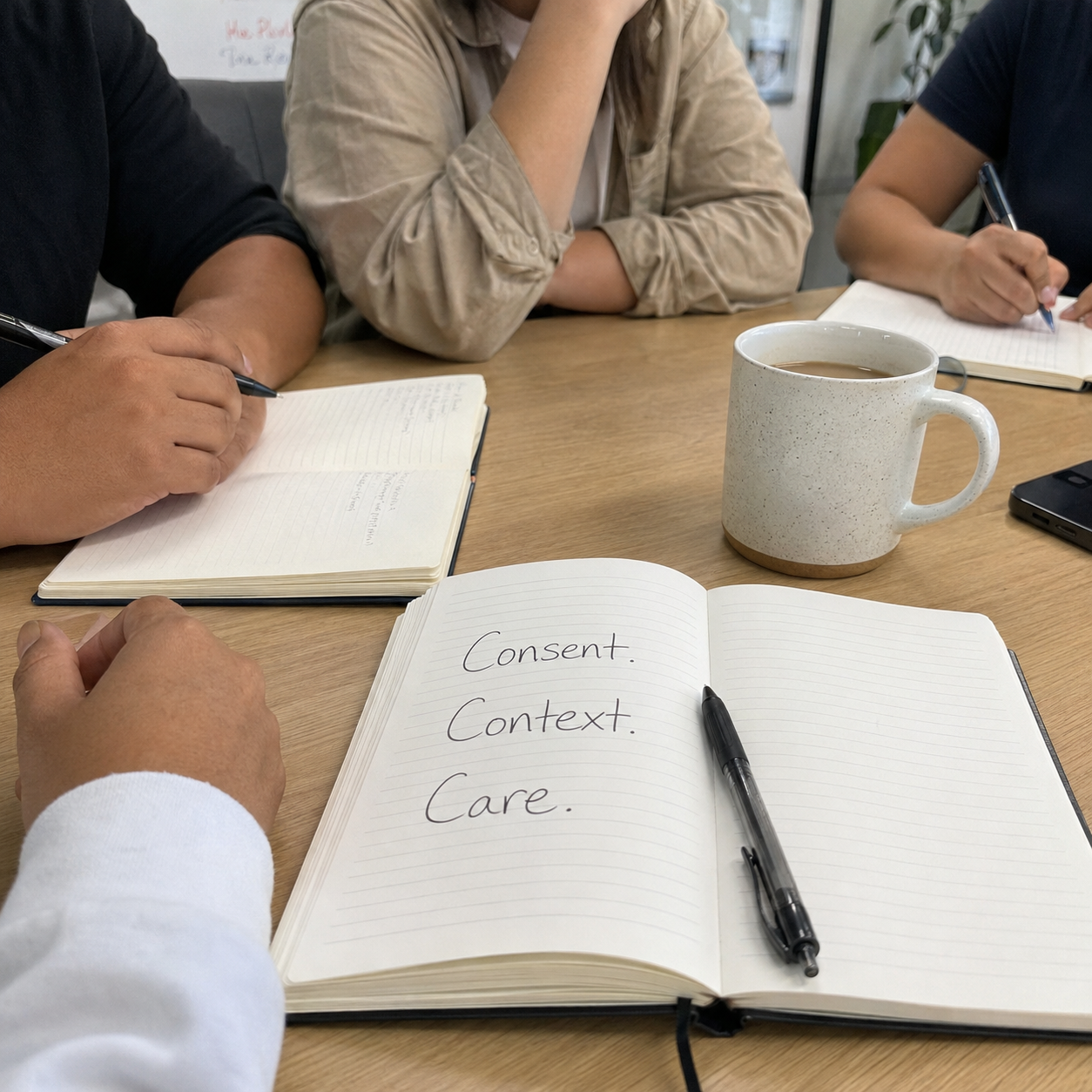
Indigenous data sovereignty invites organizations to approach stories with more care.
Before using participant stories, nonprofits can ask:
Did this person give clear permission for this specific use?
Do they know where their story will appear?
Can they review or approve how their words are represented?
Is the story being used in a way that honors their dignity?
Could this story unintentionally expose, simplify, or tokenize their experience?
Is there a safer way to communicate the lesson without identifying the person?
This does not mean organizations should never share stories.
It means stories should be shared with consent, context, and responsibility.
Sometimes the best choice is to use anonymous themes instead of individual stories.
Sometimes it is better to describe collective learning rather than highlight one person.
Sometimes a quote can be used only after the participant has reviewed it. Sometimes the most respectful decision is not to share the story at all.
That is not a missed opportunity.
That is stewardship.
Data Can Be Taken Out of Context
Another challenge Indigenous nonprofits face is that funder reports often ask for clean, simple answers.
How many people participated?
What changed?
What was the outcome?
Was the program successful?
But community work is not always clean or simple.
A program may create trust before it creates measurable change. A participant may attend inconsistently because of transportation, caregiving, housing, work, or family responsibilities. A lower number may still represent deep impact. A slower timeline may reflect the reality of relationship-based work.
When data is separated from context, it can be misunderstood.
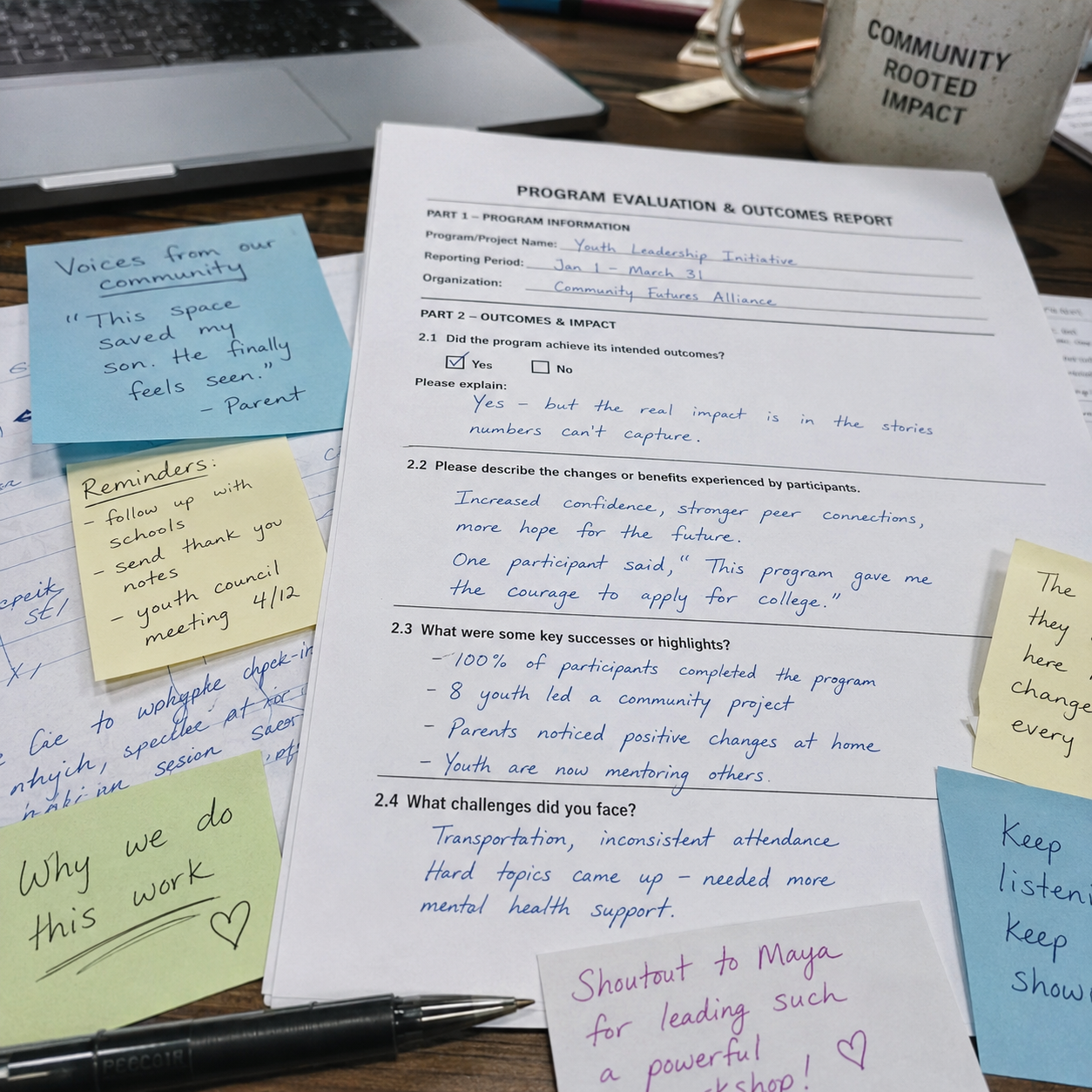
For example, a funder might see lower attendance and assume the program is underperforming. But the organization may know that the people who did attend experienced meaningful connection, received critical support, and helped shape the next phase of the work.
Without context, the data tells an incomplete story.
And incomplete stories can lead to the wrong conclusions.
A Better Practice: Pair Data With Meaning
Indigenous data sovereignty is not only about who owns data. It is also about who has the right to interpret it.
Numbers should not be separated from the people, places, histories, and relationships that give them meaning.
Nonprofits can strengthen their data practices by building interpretation into the process.
That might look like:
Reviewing findings with staff who know the community.
Inviting participant or community feedback before finalizing conclusions.
Adding context to numbers in funder reports.
Explaining why certain outcomes may take longer to show.
Naming barriers that affected participation or results.
Sharing what the organization learned, not just what it counted.
Protecting cultural knowledge that should not be translated into public reporting language.
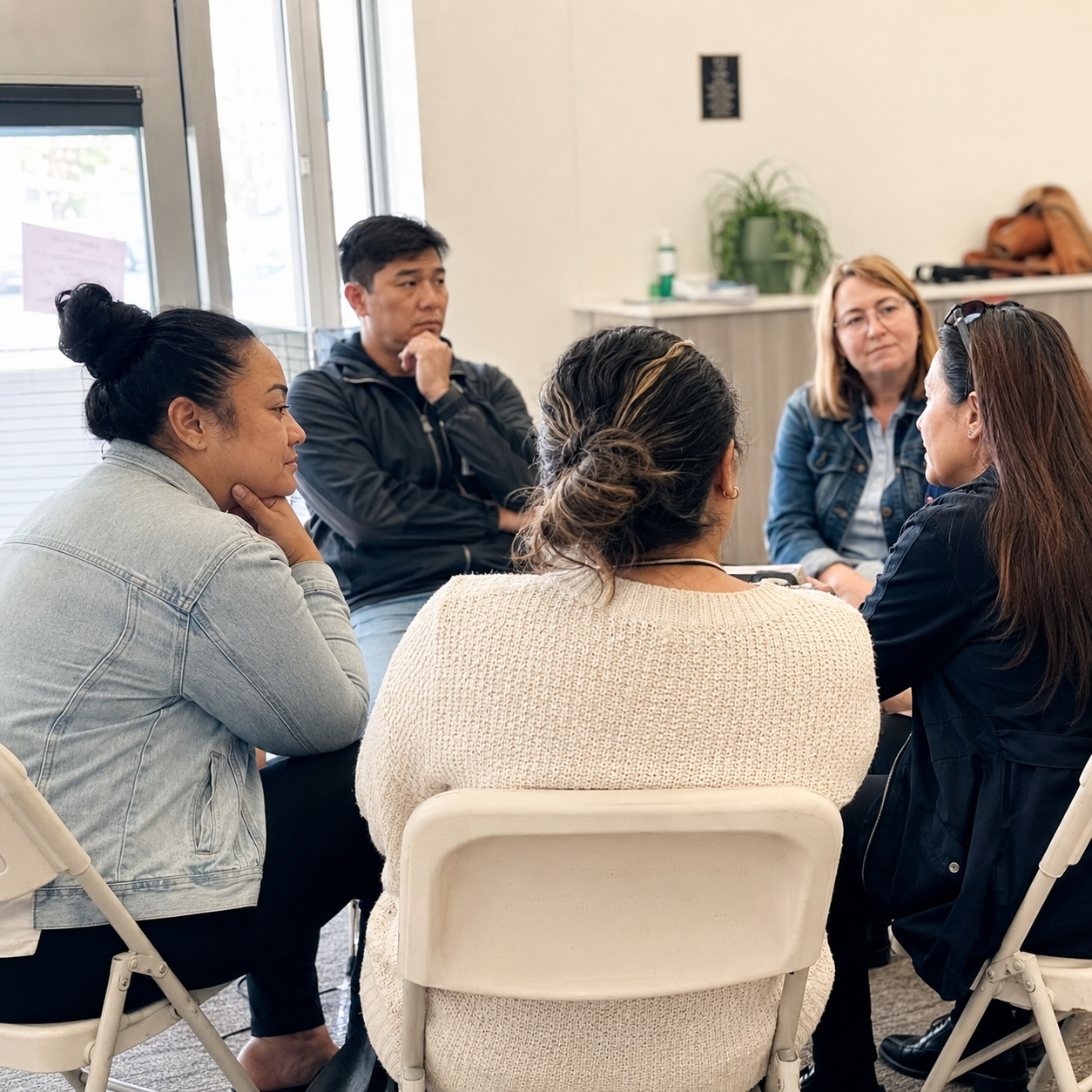
This helps prevent data from being flattened into a number that does not reflect the full story.
It also positions the organization as an expert in its own work.
Instead of simply handing data over to others, the nonprofit helps guide how that data should be understood.
Data Sovereignty Builds Trust
Trust is one of the most important assets an Indigenous nonprofit can hold.
Community members need to know that their information will not be misused. Staff need to know there are clear practices for collecting and protecting data. Funders need to understand that accountability does not require unlimited access to every story, detail, or cultural context.
Strong data sovereignty practices help build that trust.
They create clearer boundaries around what is collected, why it is collected, who can access it, and how it will be shared.
They also help nonprofits move from a reactive posture to a more grounded one.
Instead of asking, “What does the funder want from us?” organizations can ask:
What do we need to understand?
What does our community want protected?
What information will help us improve?
What can we responsibly share?
What story are we the right people to tell?
Those questions lead to stronger evaluation, better reporting, and deeper accountability.
The Goal Is Not More Data. The Goal Is Better Care.
Indigenous data sovereignty reminds us that data is not neutral and it is not ownerless.
It comes from people. It carries responsibility. It can be used to support healing, learning, advocacy, and sustainability. It can also be misused, misunderstood, or extracted.
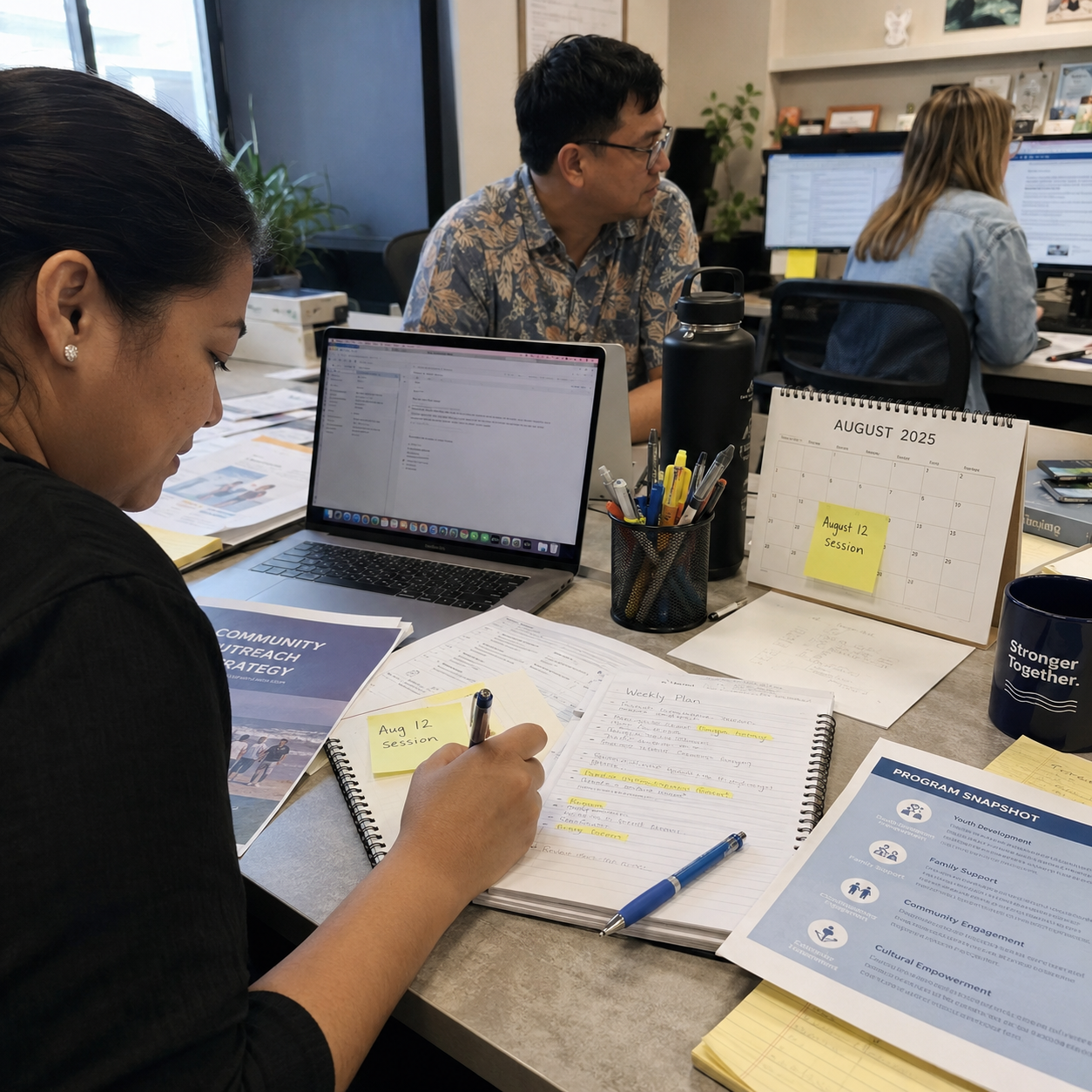
For Indigenous nonprofits, the opportunity is to build data practices that reflect the same values as the work itself: respect, relationship, consent, accountability, and care.
Because the most important question is not only, “What did we collect?”
It is also, “Did we care for it well?”
Don’t Miss the Final Session
It is not too late to register for the Indigenous Evaluation & Data Sovereignty Series.
The final live session is happening August 12 at 9:00 a.m. Hawaiʻi Time, and you can still participate even if you missed the first live session.
Registration includes access to the prerecorded videos and the final live workshop with Dr. Sofia Locklear, focused on reducing reporting burden, aligning funder requirements, strengthening data practices, and using evaluation findings to support program improvement and sustainability.
Cost: $150 for non-members
Free for Indigenous Fundraiser Network members
Not an IFN member? Join theIFN Circle for $99 and receive free access to the series as a member benefit.
DISCOVER MORE