
You Don’t Have to Figure It Out Alone
PAST PODS

There is a particular kind of pressure that comes with being responsible for something.
A business.
A nonprofit.
A fundraising goal.
A community project.
A team.
Other people may see the mission, the product, the event, or the impact.
What they do not always see are the decisions happening behind the scenes.
Can we afford this?
Should we take the loan?
How do we price this?
Where will next year's funding come from?
Are we growing too quickly?
What happens if this grant doesn't come through?
Who can help us with something we don't know how to do?
And perhaps the quietest question of all: Am I making the right decision?
Leadership can feel surprisingly lonely.
It does not have to.
People Don’t Only Need Information
We live in a time when information is everywhere.
Search long enough and you can find a video explaining almost anything.
How to write a business plan.
How to apply for a grant.
How to create a budget.
How to read financial statements.
How to market a product.
How to start a nonprofit.
Information is valuable.
But information is not the same as guidance.
A video cannot always tell you whether a loan makes sense for your business.
A template cannot understand your organization's history.
An article cannot know the realities of your community.
A checklist cannot tell you how a decision might affect your family, staff, customers, or mission.
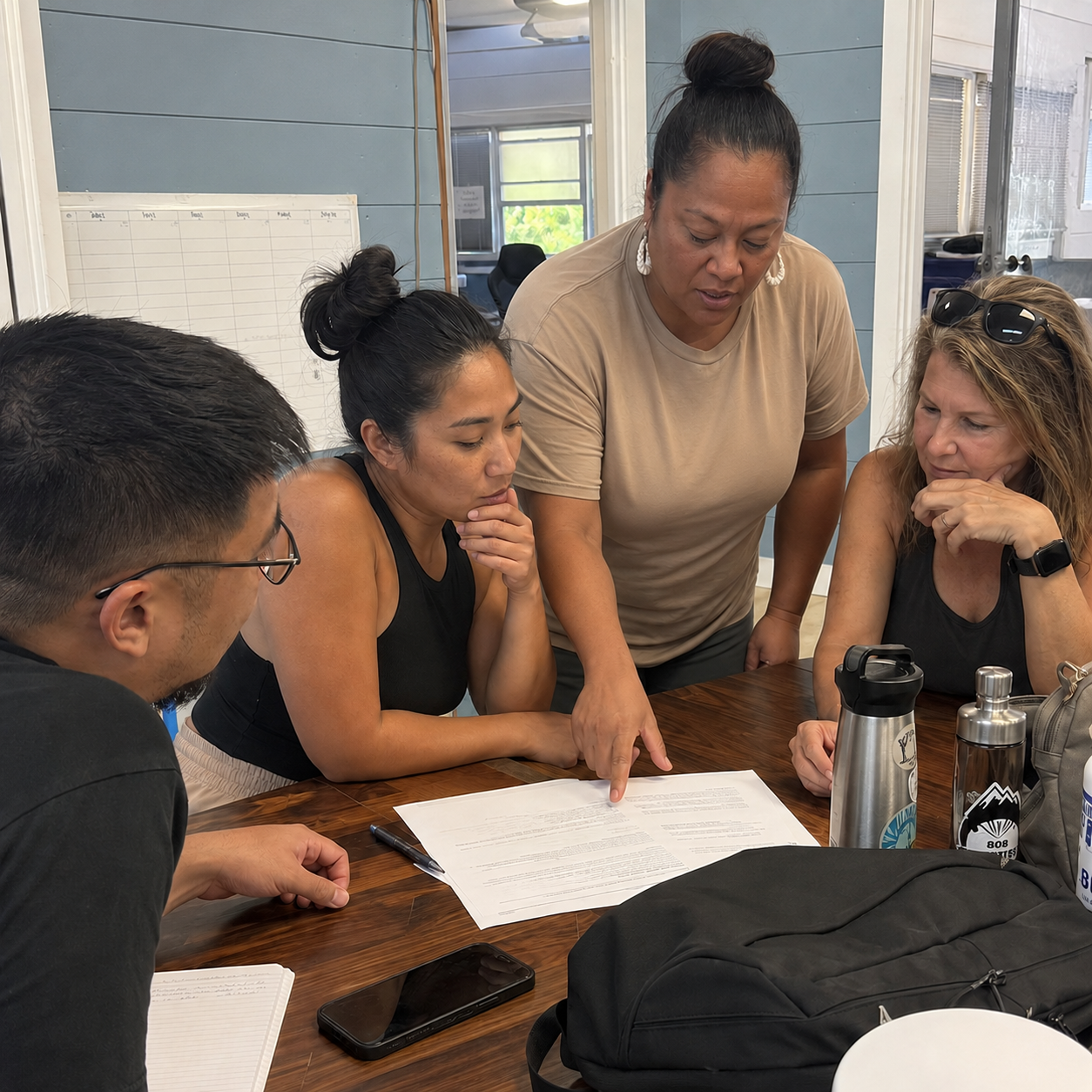
Sometimes we need a person.
Someone who will listen.
Ask good questions.
Help us understand our options.
And respect that the final decision belongs to us.
Trusted Partnership Builds Capacity Differently
The strongest partnerships do not create dependence.
They build capability.
A trusted partner does not say:
“Here is what you should do.”
They help you reach the point where you can say:
“I understand my options, and I know why I am choosing this one.”
That difference matters.
Because every time someone understands a financial statement, evaluates an opportunity, develops a fundraising strategy, makes a stronger budget decision, or navigates a difficult moment, they are building knowledge they can use again.
And eventually share with someone else.
Culturally Grounded Support Starts with Context
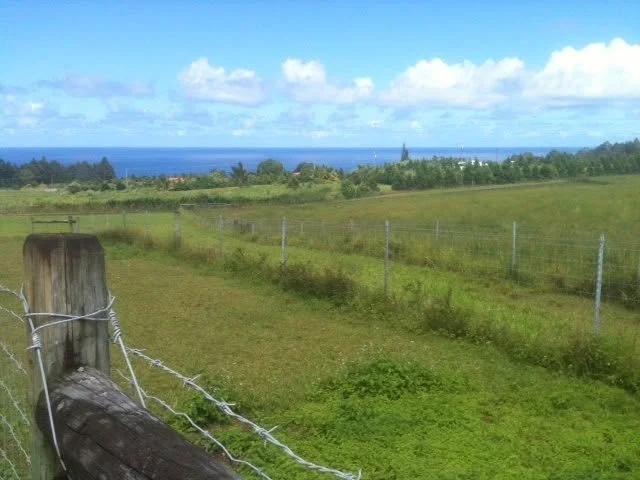
Not every model developed somewhere else automatically fits Hawaiʻi.
And not every measure of success reflects what people here value.
For many entrepreneurs, nonprofit leaders, and community builders, decisions are connected to much more than financial return.
Family.
Place.
Relationships.
Community responsibility.
Culture.
The ability to remain in Hawaiʻi.
The desire to create opportunities for others.
Those realities belong in the conversation.
Culturally grounded capacity-building does not mean lowering expectations or avoiding hard financial questions.
It means understanding the full context in which those questions are being answered.
Strong financial decisions and strong community values do not have to compete with one another.
The goal is to help people build the capacity to hold both.
Connection Can Change the Trajectory of the Work
Sometimes what someone needs is not something we provide ourselves.
It is someone we know.
A lender.
An accountant.
A funder.
A designer.
A lawyer.
Another entrepreneur.
A community organization.
A potential customer.
An experienced leader who has navigated the same challenge.
Knowing where to turn is part of capacity.
So is being part of a network where people are willing to open doors for one another.
Confidence is Built Through Experience
Confidence does not mean never having questions.
Experienced leaders have questions all the time.
Confidence means knowing that a question can be worked through.
That you can gather information.
Ask for help.
Understand the tradeoffs.
Make a decision.
Learn from what happens.
And make the next decision with more knowledge than you had before.
That process builds leaders.
It builds businesses.
It strengthens organizations.
And over time, it strengthens communities.
Strong People Create Ripple Effects
When one business owner gains financial clarity, that knowledge can help stabilize a business and the people who depend on it.
When a nonprofit leader becomes a stronger steward of resources, their entire organization benefits.
When a fund development professional builds confidence, they can help bring resources into work that matters.
When a community builder becomes better connected, opportunities can reach people who might otherwise never encounter them.
That is how capacity creates ripple effects.
One person grows stronger.
Then the work grows stronger.
Then the network around that work grows stronger.
Eventually, the impact reaches people who may never know where the first conversation began.
No one doing meaningful work should have to know everything.
But everyone should have access to places where they can learn, ask, connect, and grow.
Because sometimes the resource that changes everything is simply knowing: You don't have to figure it out alone.
The next ʻĀinapreneur cohort begins January 2027. Let’s build together.
DISCOVER MORE